2026-07-11 · 4 min read
How to read a CI number: the colourant's passport
What the five-digit Colour Index number encodes, why EU regulators reference it over trade names, and how organic and inorganic ranges sort at a glance.
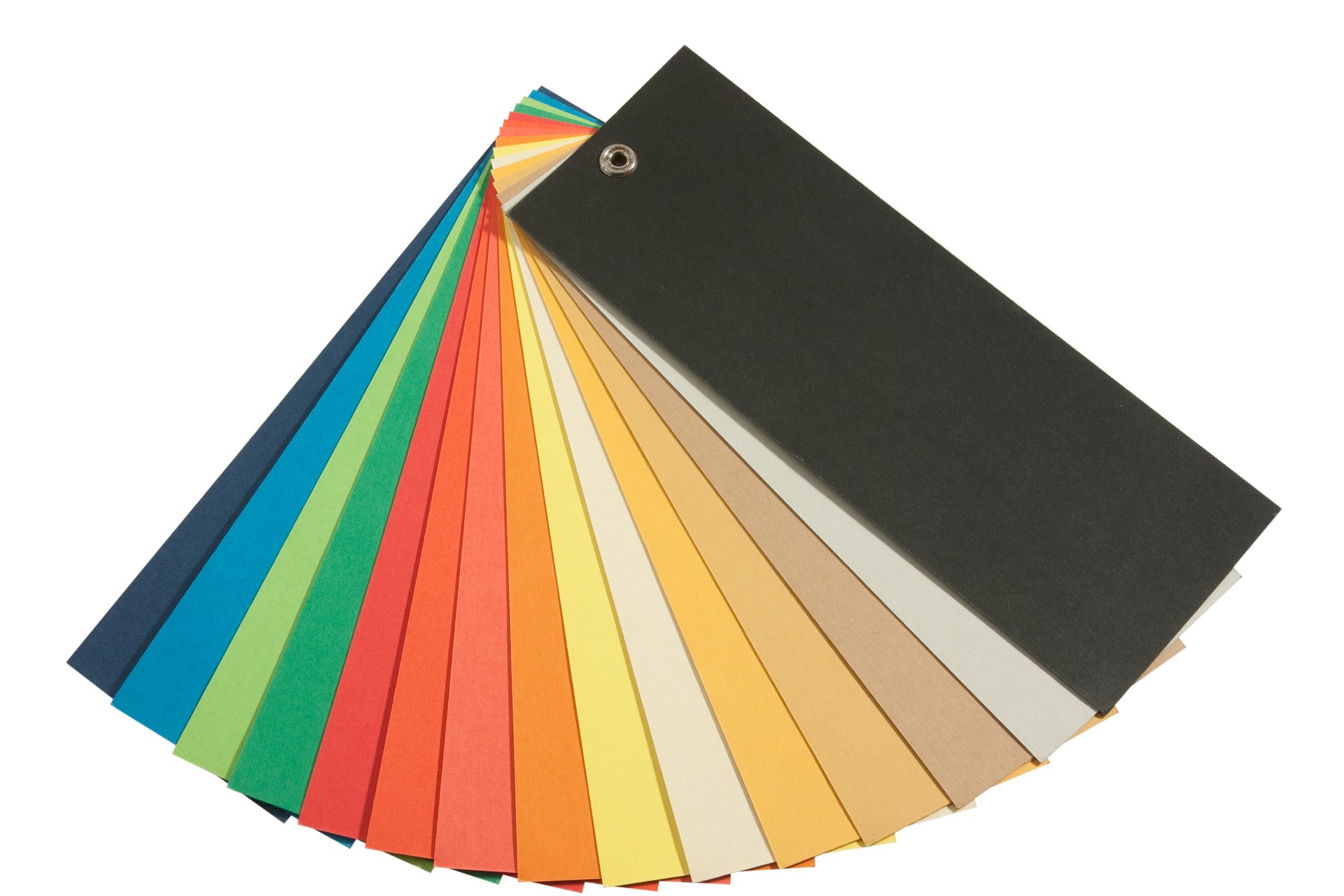
Every cosmetic colourant carries a passport: its Colour Index number. It is the five-digit code that lets a formulator in Paris, a regulator in Brussels and a manufacturer in Hyderabad all mean exactly the same molecule when they say "red". Trade names travel; the CI number is what stays fixed to the chemistry underneath.
The number encodes the chemistry
The Colour Index is not a catalogue order: the digits sort colourants by what they are. Codes below the 77000s are organic colourants, grouped by chemical class: azo reds, xanthenes, triarylmethanes, indigoids. Read the range and you already know something about the molecule's behaviour before you open a datasheet. Codes in the 77000s are inorganic: the minerals and oxides, such as titanium dioxide, zinc oxide, mica and the iron oxides.
That split is not academic. Organics tend to be vivid and soluble: they give a formula its saturated, translucent colour. Inorganics tend to be opaque, stable and insoluble; they give coverage and hold up to light and heat. It is why a single lipstick usually carries both: an organic for the shade you notice and an inorganic for the body, opacity and wear that make the shade last.
A worked example
Take one shade from the VINCOL range: VINCOL Red Punch CA, INCI Acid Red 52, CI 45100.
The number does the explaining. 45100 sits well below the 77000s, so it is an organic colourant: a xanthene, a class known for intense, fluorescent-leaning reds and pinks that dissolve readily in water-based systems. None of that comes from the marketing name "Red Punch"; all of it is legible in the CI number to anyone who reads the index. A buyer comparing two suppliers' "punch reds" cannot know they are quoting the same molecule until the CI numbers line up, and once they do, the comparison is exact.
The same read applies across the range. Four VINCOL shades, with the class the number puts each one in:
Why EU regulators reference the number, not the name
This is the layer that matters most for compliance. In the EU, the colourant positive list (Annex IV of Regulation (EC) No 1223/2009) references CI numbers, not trade names. When an entry permits a CI number for a given use (rinse-off, leave-on, eye area or lip), that permission follows the molecule under whatever name a supplier prints on the drum. The use restrictions and maximum concentrations are written against the number too.
The United States works differently. Its colour additive listings in 21 CFR parts 73 and 74 are by name, for example FD&C Red No. 40, so a US check starts from the listed name and its specification, with the CI number as a cross-reference.
This has three practical consequences when you source colour:
- Check the CI, not the shade name. Two vividly different marketing names can be the same regulated molecule; one familiar name can hide a substitution. The number is the only reliable identity.
- Match approvals to your use. An approval is specific to application. A colourant cleared for rinse-off is not automatically cleared for lip or eye. Read the entry (by CI number in the EU, by listed name in the US) for your product form.
- Keep the number on the paperwork. Specifications, certificates of analysis and regulatory dossiers should all carry the CI beside the name, so the compliance trail never depends on a trade name that can change.
Our catalogue pages show the CI beside every shade, and when you send us a reference to match, the CI number and its documentation come back with the sample.
Browse the ingredient library to see the CI beside every VINCOL shade, or talk to a specialist about matching a reference colour with the paperwork for your market.
Frequently asked
What does a CI number tell you?
The chemical identity and class of a colourant. The ranges are ordered by chemistry, so CI 45100 is recognisable as a xanthene organic before you open a datasheet, while anything in the 77000s is an inorganic pigment.
Why do regulators use CI numbers instead of product names?
The EU does because trade names change and can be reused, while the CI number stays fixed to the molecule. An Annex IV entry for a given use (rinse-off, leave-on, eye area, lip) follows the number under whatever name the material is sold. The US is the exception: 21 CFR parts 73 and 74 list colour additives by name, such as FD&C Red No. 40.
Can two differently named colourants be the same thing?
Yes, and frequently are. Two suppliers' marketing names may resolve to one CI number, in which case they are the same regulated molecule. Conversely, a familiar trade name can hide a substitution. Only the CI number is a reliable identity.